
The Art of Staffing a Seamless Celebration
A practical guide to professional event staffing, service ratios, and the details that make exceptional hospitality possible.
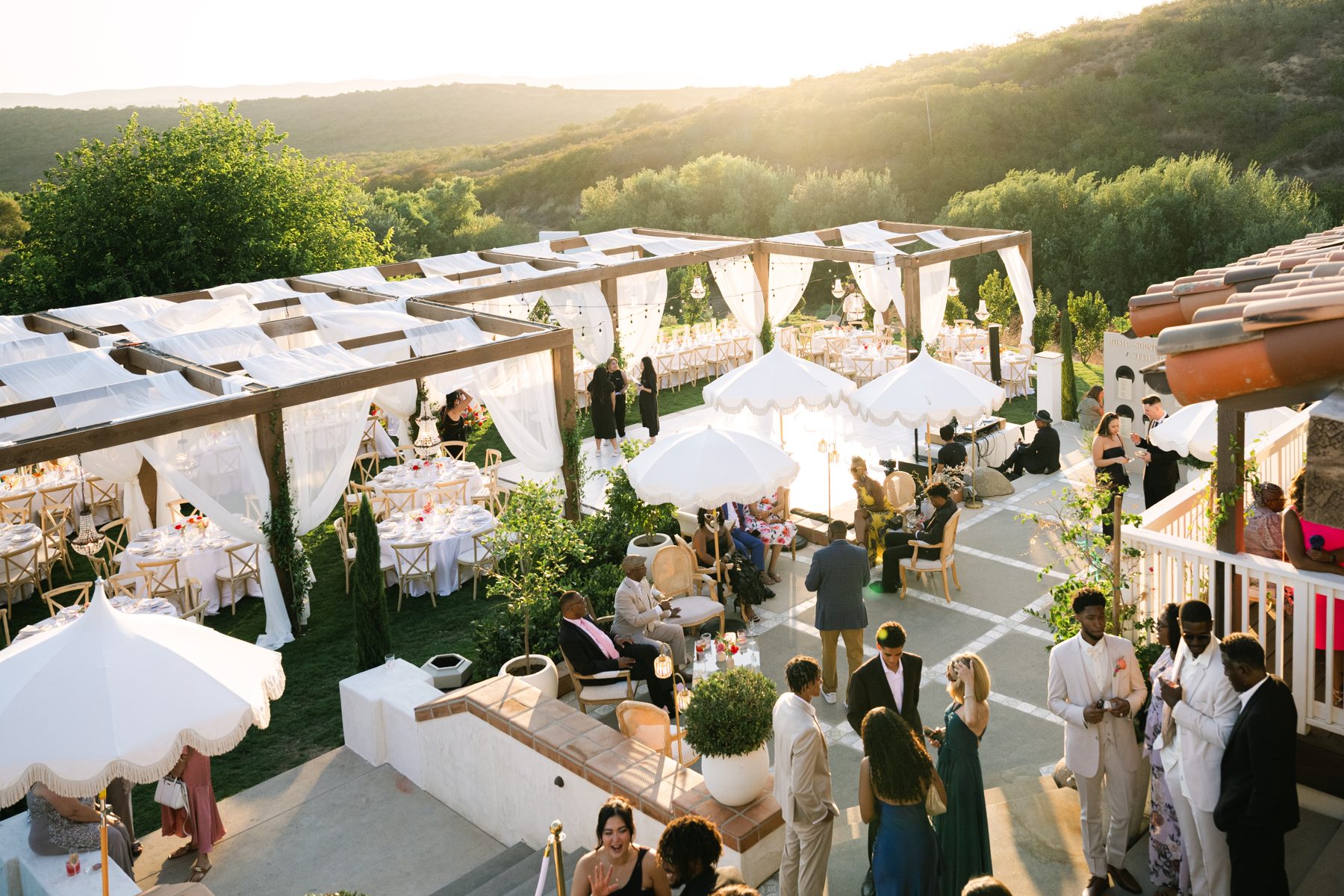

There is a certain ease to a beautifully executed event. Guests are welcomed warmly, beverages are served without unnecessary delays, and the evening moves comfortably from one moment to the next.
What guests rarely see is the planning and coordination that make it all possible.
Behind every well-executed celebration is a hospitality team responsible for preparing the space, managing the flow of service, anticipating guest needs, and ensuring that the event concludes just as thoughtfully as it began.
For hosts planning a wedding, private dinner, corporate gathering, or large-scale celebration, one of the most important decisions is determining how to staff the event properly.
The answer involves more than the number of guests on the invitation list.
How Many Staff Members Do You Need for an Event?
Event staffing requirements depend on several factors, including guest count, dining style, beverage service, venue layout, and the responsibilities assigned to the hospitality team.
A 100-person cocktail reception will not require the same staffing allocation as a formal plated dinner for 100 guests. Likewise, an intimate dinner requiring extensive preparation and cleanup may need more support than its guest count initially suggests.
While every event should be evaluated individually, staffing ratios provide a useful starting point.
Understanding Event Staffing Ratios
At Moonlight Staffing Co., our general planning guidelines include:
| Service Type | Recommended Ratio |
|---|---|
| Plated dinner service | 1 server per 15 guests |
| Buffet-style service | 1 server per 30 guests |
| Bartending service | 1 bartender per 50 guests |
These guidelines are starting points rather than universal staffing requirements.
For events with 75 or more guests, Moonlight generally recommends a designated hospitality captain or lead to help oversee the team and coordinate service.
Additional support may also be appropriate for tray-passed appetizers, multiple bar locations, extensive table maintenance, complicated venue layouts, or events with short setup and breakdown windows.
The objective is to provide sufficient coverage for the work being performed, not simply to meet a numerical ratio.
Why Dining Style Changes Your Staffing Needs
The type of food service selected can substantially affect how many servers an event requires.
Plated Dinner Service
A plated dinner generally requires more attentive service because guests are served directly at their tables.
Depending on the event, the hospitality team may be responsible for delivering multiple courses, clearing between courses, maintaining glassware, assisting with wine service, and coordinating with the catering team.
Timing is particularly important when several tables must receive their meals within a relatively short period.
For these events, adequate staffing helps maintain the dining experience without requiring servers to rush between responsibilities.
Buffet-Style Service
Buffet service typically requires fewer servers per guest than a formal plated dinner, but that does not mean service responsibilities disappear.
Staff may be responsible for maintaining buffet presentation, assisting guests, clearing used plates, replenishing service items, managing beverage stations, and keeping dining areas organized.
The number of buffet lines, distance between service areas, and level of guest assistance required should all be considered.
Cocktail Receptions and Tray-Passed Service
Cocktail-style gatherings introduce a different set of demands.
When servers are circulating with appetizers or beverages, they need sufficient time to move throughout the venue and reach guests consistently.
If those same servers are also expected to clear glassware, replenish stations, and assist with other responsibilities, the staffing allocation must account for that additional workload.
A well-planned reception balances active guest service with the behind-the-scenes work required to maintain the space.
How Many Bartenders Should You Hire?
Bar service is one of the most visible aspects of an event, particularly when guests arrive within a short period.
A general starting point is one bartender for every 50 guests. However, the number of bartenders required can change depending on the beverage menu and service expectations.
A beer-and-wine reception generally has different preparation requirements than an event offering several made-to-order cocktails.
Other considerations include:
- The complexity of the cocktail menu.
- The number and location of bar stations.
- Whether guests arrive simultaneously.
- The availability of prepared mixers, garnishes, and ice.
- Whether bartenders are also responsible for stocking and replenishment.
At larger events, barbacks can provide valuable support by managing ice, glassware, beverage inventory, and other replenishment needs.
This allows bartenders to remain focused on preparing and serving drinks.
For hosts considering professional bar service, it is also important to distinguish between staffing-only bartending and a full bar package that includes supplies and beverage arrangements.
Both options can work well when responsibilities are clearly established in advance.
The Roles Behind a Well-Executed Event
Not every hospitality professional performs the same function. Understanding the different positions helps hosts determine which services their event requires.
Waitstaff: Support food and beverage service, guest assistance, dining-area maintenance, and assigned setup or cleanup responsibilities.
Bartenders: Prepare and serve beverages while maintaining organized, sanitary, and properly stocked bar stations.
Barbacks: Support the bar team with replenishment, inventory movement, ice, glassware, and station maintenance.
Hospitality Captains: Oversee assigned service staff, communicate with event planners and vendors, and help keep service aligned with the event timeline.
Event Coordinators: Manage broader event logistics, vendor communication, scheduling, and transitions according to the agreed coordination scope.
The distinction between hospitality staffing and event coordination is especially important. A service captain oversees the hospitality team’s responsibilities but does not automatically replace an event planner or day-of coordinator.
Clearly defining these roles before the event helps prevent gaps in coverage and confusion between vendors.
Why Your Staffing Timeline Should Include Setup and Cleanup
One of the most common event-planning oversights is scheduling staff only for the hours guests will be present.
In reality, hospitality responsibilities frequently begin well before the first guest arrives.
Depending on the service scope, preparation may include arranging tables, organizing service stations, polishing glassware, preparing garnishes, stocking bars, and coordinating with caterers or rental providers.
After the event, staff may need time to clear dining areas, organize supplies, break down service stations, and prepare rental items for collection.
These responsibilities can be particularly significant for weddings and large receptions with extensive rentals or multiple service areas.
A realistic event staffing schedule should account for three distinct periods:
Before the event: Setup, preparation, vendor coordination, and service readiness.
During the event: Guest service, replenishment, table maintenance, and transitions.
After the event: Clearing, breakdown, organization, and assigned cleanup responsibilities.
Accounting for all three periods helps the hospitality team work efficiently without compromising service or rushing through important final responsibilities.
The Details That Shape the Guest Experience
Exceptional hospitality is attentive without being intrusive.
A server recognizes when a table needs attention without interrupting conversation. A bartender maintains a steady service rhythm as guests arrive. A hospitality captain notices when service is falling behind and communicates adjustments before small delays become larger issues.
These details are rarely the focus of event photographs, yet they contribute significantly to how guests remember a celebration.
Good staffing also allows hosts and planners to remain focused on their own responsibilities rather than repeatedly stepping away to manage the service team.
The most effective hospitality plans consider both the guest-facing experience and the operational demands taking place behind the scenes.
What to Consider Before Hiring Event Staff
Before requesting an event staffing estimate, having a few important details prepared can help the staffing company recommend an appropriate team.
Consider your anticipated guest count, venue location, event schedule, dining style, beverage arrangements, and the specific services you would like the team to provide.
It is equally helpful to identify who will be responsible for supplies, rentals, catering coordination, setup, and breakdown.
For example, if you are hiring bartenders but providing your own beverages and bar supplies, clarify those responsibilities early. If you are hiring waitstaff to assist with dinner service, explain whether the caterer will be onsite and how food will be presented.
Clear expectations help avoid unnecessary expenses, duplicated responsibilities, and preventable service delays.
Most importantly, they allow a professional staffing team to develop recommendations based on the actual needs of your event.
A Thoughtful Approach to Event Hospitality
A beautifully designed event deserves equally thoughtful service.
While floral arrangements, menus, entertainment, and venue details help establish the atmosphere, the hospitality team plays an essential role in bringing that experience together.
The right staffing allocation supports timely service, organized transitions, and an environment where guests feel genuinely cared for.
At Moonlight Staffing Co., we approach event staffing with an understanding that every occasion has its own logistical demands and service expectations.
Our team supports weddings, corporate gatherings, private celebrations, and special events throughout Los Angeles, Orange County, and surrounding Southern California communities.
Because when the right people are in place and every responsibility has been considered, hosts can spend less time managing the details and more time enjoying the celebration.
Planning an Upcoming Celebration?
Every memorable event begins with the right team. Explore Moonlight’s professional hospitality staffing services and discover how we can support your upcoming celebration.
Request an Estimate